Comanche County Pet Resource Foundation
by Carol Mowdy Bond
Marcia Cronk was working with a traditional animal rescue, often pulling dogs from local shelters to take them into the rescue. But she began to question whether it was enough.
“We maybe rehomed 10 dogs a year if we were lucky,” says Cronk. “There just weren’t enough homes for the dogs to be rehomed, and many of the dogs were traumatized. So they needed well-versed owners, which are not easy to find. Most families want a dog that adjusts quickly into home life. Plus, in some shelters, the infectious disease rates are horrendous as are the euthanasia rates.”
While visiting a shelter yet again, Cronk had an epiphany about pet surrenders: “What makes a family surrender a pet to the shelter? Families who cannot afford the pet’s care either due to veterinary incident/cost, unable to afford food, the owner is going into rehab or the military, [or] lack of finances to reclaim a pet that was taken into the shelter system.”
One thing led to another, and Cronk founded the nonprofit Comanche County Pet Resource Foundation (CCPRF) in 2022 with the idea that no one should have to surrender a beloved pet because of financial hardship. These days, CCPRF provides services to Comanche County, Oklahoma, helping over 4,000 pets a year by partnering with county veterinarians, food banks, feeding ministries, businesses, government organizations and the public. Headquartered in Comanche County, the foundation does not have a fixed facility or shelter, but it operates a range of programs that help people keep their pets in their own homes.
Annual Woofstock Festival
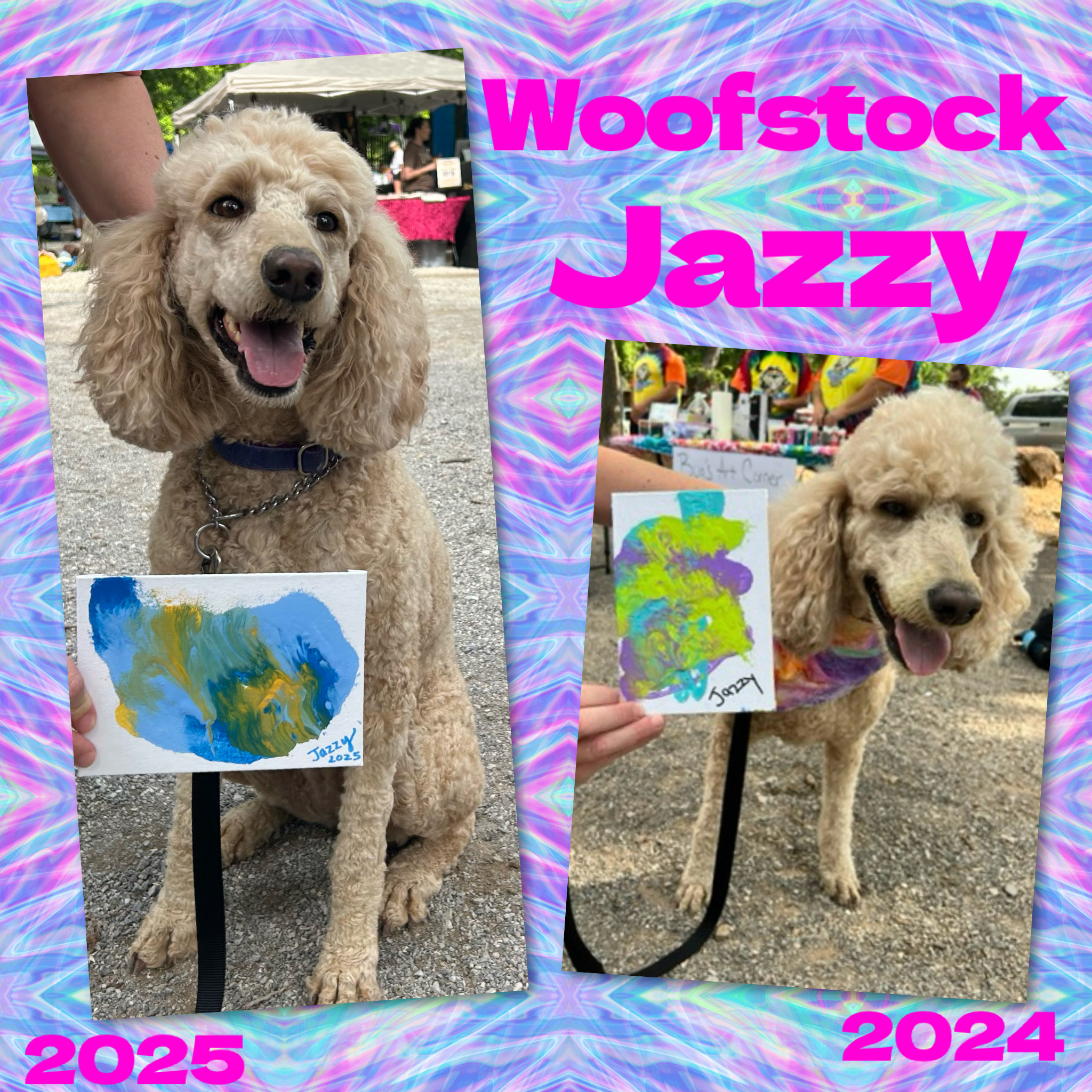
Highlighting CCPRF’s work, Woofstock is held annually in Medicine Park, Oklahoma, on Father’s Day weekend in June. The event brings together pets and people for a range of services, including chiropractic care, massage, nail trims and baths, low-cost vaccines and heartworm testing. More information about Woofstock is available on CCPRF’s website.
Veterinary Care Assistance Program
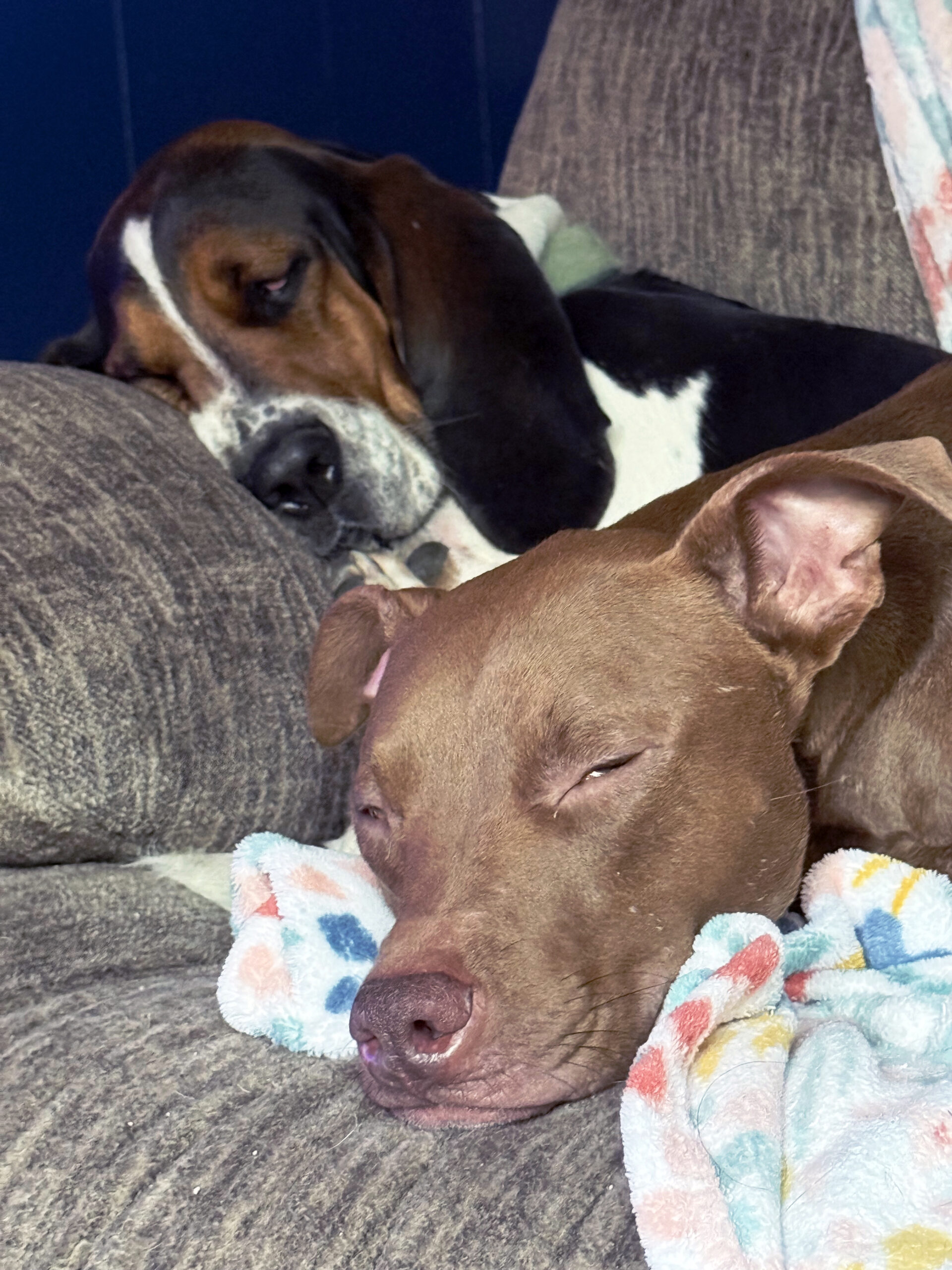
Community donations, private sponsorships and partnerships with county veterinarians make the Veterinary Care Assistance program possible. CCPRF now partners with every Comanche County veterinarian, helping cover care costs for about 500 pets each year and allowing clinics to provide the level of care they’re committed to.
“We currently have 13 veterinary practices that support us with medical care, so when a client calls, they can go to their regular county vet if they have one,” says Cronk.
Vaccinations
CCPRF offers free pet vaccination clinics on the first Saturday of each month from 9 a.m. to 12 p.m., at clinic locations throughout Comanche County. The foundation vaccinates about 1,500 cats and dogs each year. It also provides low-cost rabies vaccines, which are required by city regulations.
Pet Pantry
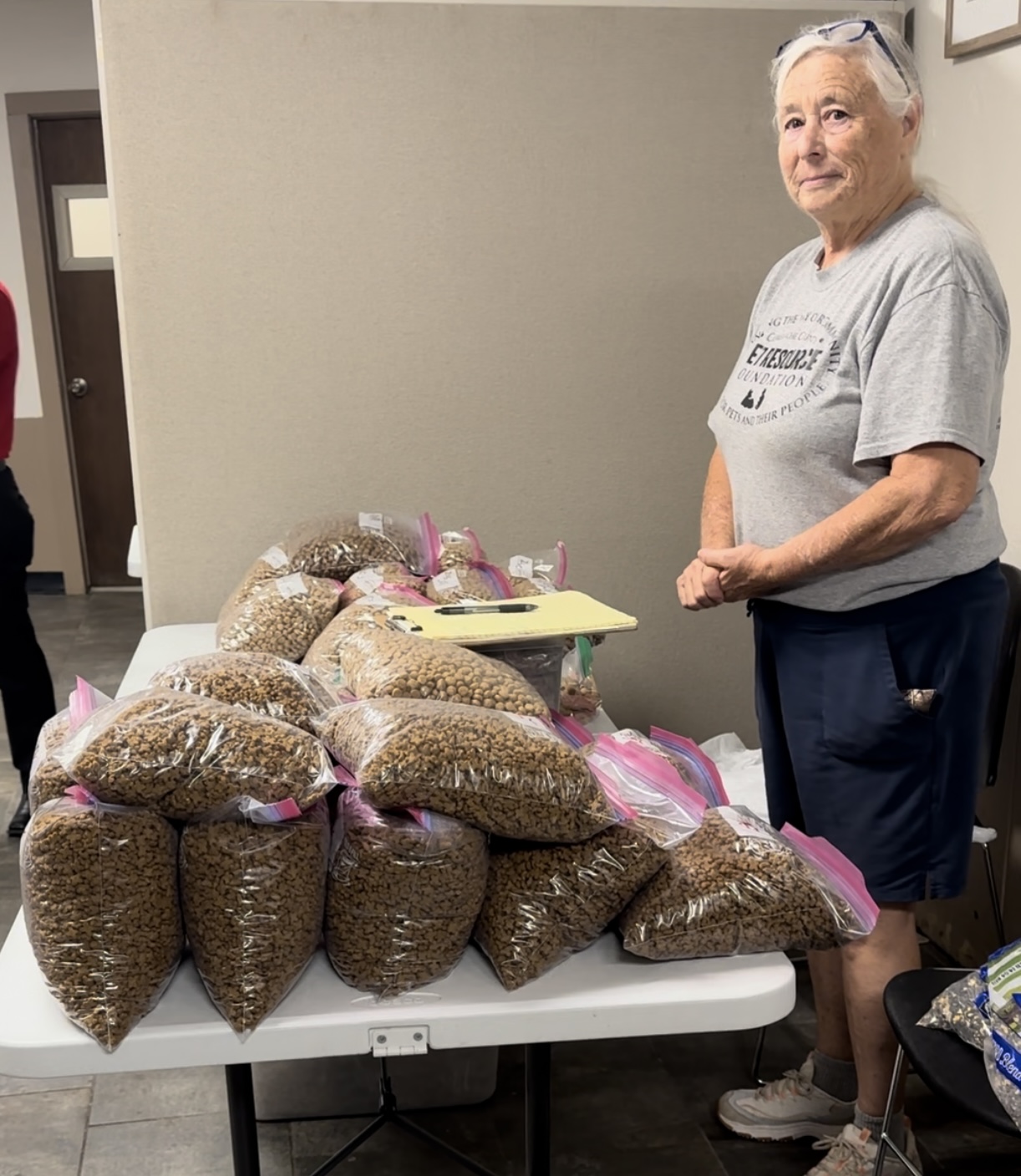
Corporate sponsorships and community donations keep CCPRF’s pet pantry stocked with essentials, from pet food, cat litter, and puppy and kitten supplies to crates, kennels, collars and leashes. CCPRF has delivered around 10,000 pounds of pet food to pet families in need.
Cronk says, “A lot of food goes to the homeless population, and we partner with Hungry Hearts Feeding Ministry, local food banks and some businesses to hand out pet food. We also have a pet food delivery service for folks who can’t get to a feeding location.”
Lost Pet Reunification
The CCPRF Lost Pet Reunification program provides resources to help prevent pets from going missing, reunite them with their families and offer guidance to reduce repeat incidents. The foundation’s website includes advice on everything from microchipping to ID tags, along with a list of social media platforms and websites to aid in recovery efforts.
Self-Rehoming Pets
If rehoming a pet is a must, it’s a great way to keep pets out of the shelter system. Approximately 36% of pets entering shelters go through an intake called “owner surrender.” But unfortunately, when shelters are overcrowded, owner surrendered pets are often the first to be euthanized because of lack of space. Many pet owners are willing to rehome, but they need help to make that happen safely and successfully. The CCPRF website provides detailed information on how to self-rehome pets.
More Help Is Needed
CCPRF continues to advocate for more answers, but the foundation needs more support to fully address the pet overpopulation crisis in both Comanche County and across Oklahoma. Cronk spotlights: “Support such as low cost spay/neuter resources, law enforcement to enforce animal abuse and abandonment laws that are already in place, and understanding that pets are living beings that oftentimes are the only loving things left in someone’s life rather than just being property, a County Emergency Management plan to develop and implement a county-wide companion animal disaster plan, and more government partnerships.”
To learn more about CCPRF’s services and connect with staff, visit comanchecountypetresourcefoundation.org or follow the organization on social media, including Facebook.