by HEIDE BRANDES | Photos courtesy of Kat Dinh
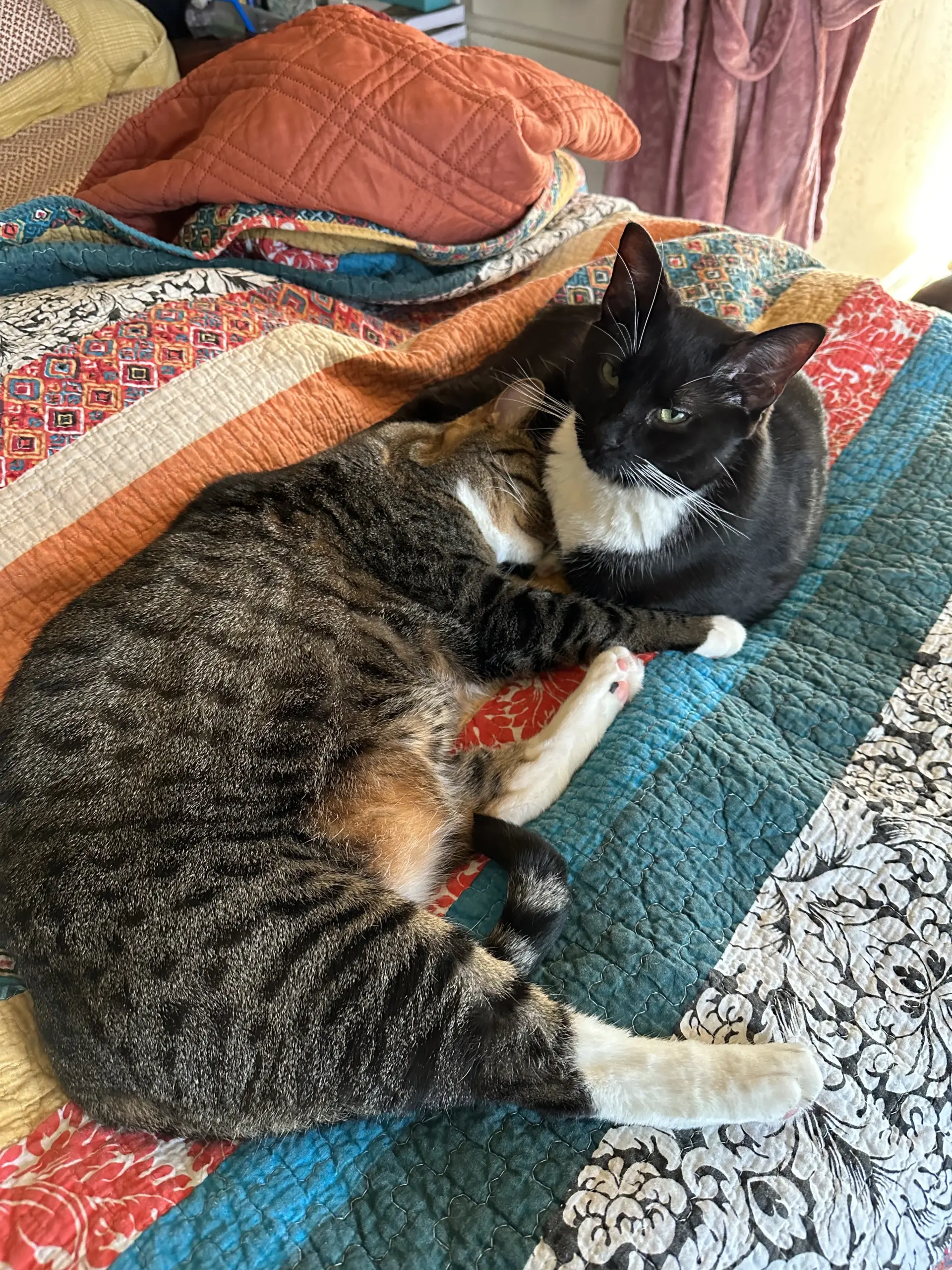
Kat Dinh stares at her two cats and feels the familiar pang of worry. Her 6-year-old cat has already packed on the pounds while her 5-year-old is heading down the same path. Like many pet parents, she has learned the hard way that love sometimes comes with unintended consequences.
“I was feeding them way too much,” said Dinh, who discovered at a veterinary visit that her cats should only eat one cup of food daily, not the two cups she’d been providing. “I just leave it out, but cats are grazers, and they would just eat all day if they wanted to.”
Dinh’s experience reflects a growing crisis in pet health. The 2022 U.S. Pet Obesity Prevalence Survey found a staggering 61 percent of cats and 59 percent of dogs are overweight or have obesity, marking a significant increase from previous years. Despite these alarming numbers, only 28 percent of cat owners and 17 percent of dog owners acknowledged that their pets were overweight.
And Oklahoma is no exception — veterinarians in Tulsa and Oklahoma City see the same troubling trends in their practices.
Dr. Dan Danner, who owns Danner Veterinary Hospital in Tulsa, sees this disconnect daily in “50 to 60 percent” of pets in his practice.
“Unfortunately, we want to pamper our
pets, just like we do our kids and our spouses,” he said. “So every time you go ‘good dog’ and [reward] with a treat when they go potty or whatever, you put calories on.”
The Hidden Health Crisis in Your Pet
The consequences of pet obesity go beyond mere appearance. Being overweight can not only reduce a dog’s lifespan by up to 2.5 years, but can also increase the risks of diabetes, joint problems and cardiovascular disease.
“The heavier you are, the more stress it puts on the heart, the circulation, bone and joint,” Danner said. “As you get older, more sedentary, and you don’t feel like getting up and exercising, arthritis becomes more and more of an issue.”
The diabetes connection is particularly concerning.
“It’s amazing the number of diabetic cats that we have,” Danner said, explaining that diabetic pets experience increased thirst and urination with blood glucose levels often exceeding 200 (normal range is 80-120). This leads to glucose spillage in urine and the need for insulin therapy.
Dr. Ashley French, medical director at Neel Veterinary Hospital in Oklahoma City, said the health impacts are comprehensive.
“Obesity affects every organ system due to the chronic inflammatory state and the increased weight causing strain on the body,” French said. “The most common health issues include decreased life span, limited mobility, osteoarthritis, diabetes, respiratory disease, high blood pressure and chronic inflammation.”
Many pet owners struggle to identify when their animals are overweight. Danner offers a simple test.
“If you put your hand between the shoulder blades and grab a little bit of air and shake it back and forth, and if you’ve got a little jiggle there, then your pet is overweight,” he said. “I call it the Jello effect.”
The statistics reveal a troubling pattern of owner perception versus reality. Nearly one-third (32 percent) of owners of overweight or obese pets classified their pet as “normal,” “ideal” or “thin” body condition when asked by their veterinary professional.
The Root of the Problem
The path to pet obesity often begins with good intentions. In a recent study, 58 percent of dog owners and 12 percent of cat owners admitted to giving treats more than once a day, while an additional 24 percent of dogs and 18 percent of cats received treats at least once daily. The portion size of treats also matters enormously.
“If you feed three milk bones for your dog’s size, you’re over 60 percent of the total digestible requirements of your dog for that day,” Danner said. “So it’s like eating two Big Macs every day.”
Bobbie Adams, a registered veterinary technician at Neel Veterinary Hospital, said that “obesity arises when there is an imbalance between caloric intake and energy expenditure. Studies have demonstrated that free-feeding, excessive treats, some medical disorders and medication can increase the chance of obesity.”
For pet owners like Dinh, successful weight management requires structure and commitment. She now feeds her cats measured portions twice daily rather than free-feeding.
“They complain about it. They cry about it and yell at me,” she said. “But that’s really the only way that I can limit them.”
Solutions and Support
Danner said weight loss for pets parallels human approaches.
“Healthy foods work for them like they do for us. Boil some broccoli, fresh carrots, raw carrots, apples, fruit, all those things,” he said. He also recommends low-fat, high-fiber foods and suggests mixing a tablespoon of canned food with dry food to improve palatability.
Adams suggests that “pet owners can begin by feeding the recommended amount of food based on the label’s chart and accurately measuring the food. If treats are offered, ensure they are accounted for in the daily calorie consideration.”
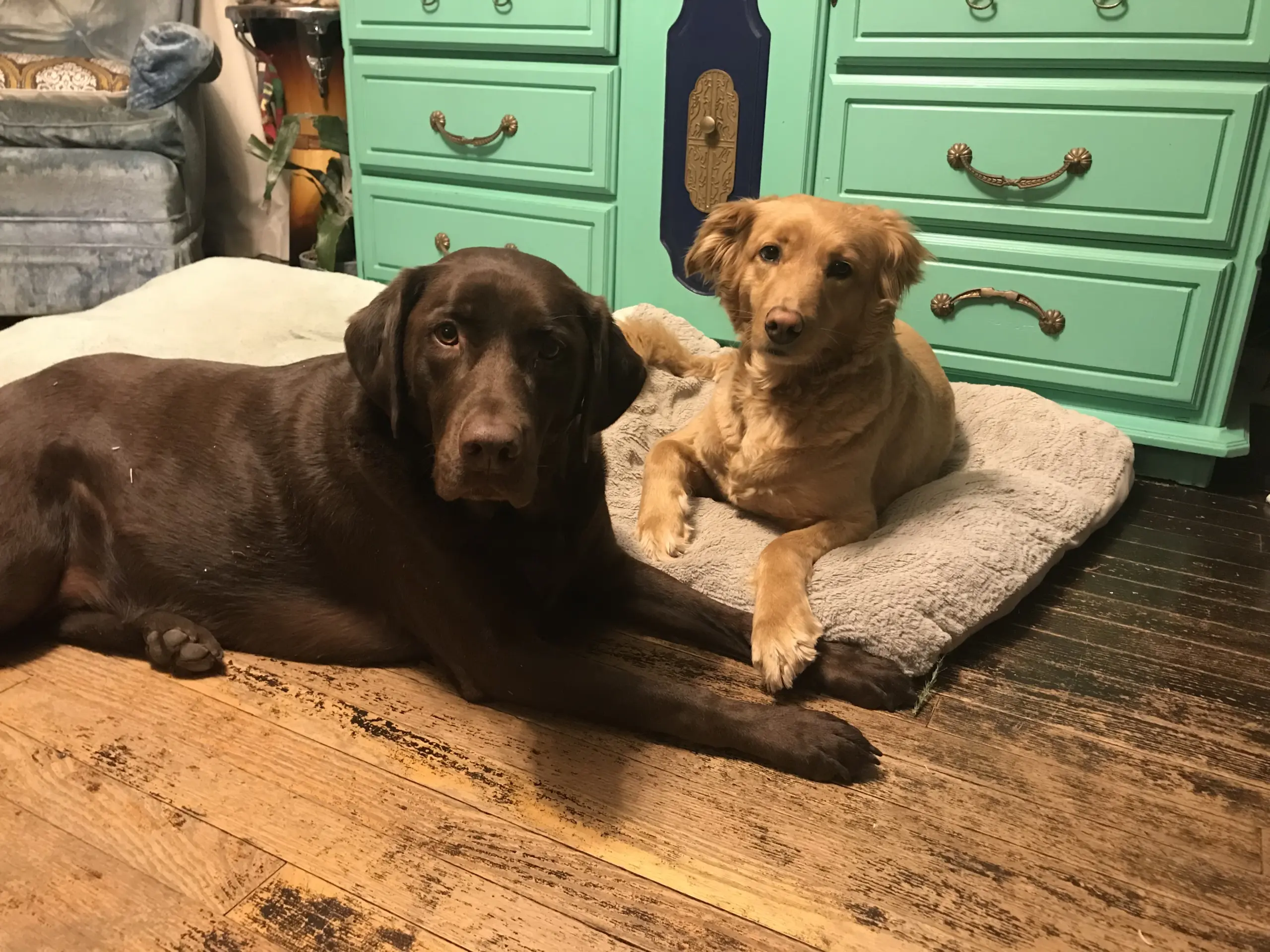
Physical activity also plays a crucial role in weight management. Dinh noticed that her dogs maintain better weight partly because “they stay a little bit more active, and I try to get them out to play and things like that to keep them healthy.”
However, attention can be as rewarding as food. “They’re looking for positive, emotional rewards as much or more than food rewards,” said Danner. “Food and cookies are great, but, really, attention is the biggest thing.”
The veterinary team plays a crucial role in successful weight management. The veterinarian and his or her team can help owners manage the pet’s weight by helping to create obtainable goals, tracking progress, providing food and exercise recommendations, and ruling out underlying disease as a primary factor, said French.
Neel Veterinary Hospital has introduced a “K9 Fit Club” weight loss program for dogs. The program combines nutritional assessment with exercise in an underwater treadmill two to three times weekly. The buoyancy created by the water decreases weight-bearing forces, allowing dogs to exercise in a controlled environment while reducing stress on joints.
A Healthier Future
The pet obesity epidemic requires a multi-faceted approach involving pet owners, veterinarians and the broader pet care community. Despite widespread recognition that pet obesity is a significant health issue (84 percent of dog owners and 94 percent of cat owners), only 43 percent reported that their veterinarian annually discusses their pet’s optimal weight or body condition.
For pet owners like Dinh, the journey toward healthier pets involves both practical changes and emotional adjustment. But with commitment and the right approach, it’s a problem that can be solved.
Sidebar
Smart Treats for Slimmer Pets
When it comes to treating your pets without expanding their waistlines, veterinarians recommend focusing on low-calorie, nutrient-rich options that satisfy without sabotaging weight management goals.
The 10% Rule
Treats shouldn’t make up more than 10 percent of your dog’s daily calorie intake, according to Danner. Single treats should stay under 20 calories, and portion control remains crucial.
Kitchen Cabinet Champions
Many healthy treats are already in your refrigerator. Veterinarian-approved options include carrots, green beans, broccoli, apples (without seeds), zucchini and cooked lean meats. Air-popped popcorn is only about 35 calories per cup and makes an excellent training treat.
For Cats
Feline-friendly options include cooked carrots and zucchini (either shredded or cut into bite-sized pieces), alfalfa sprouts, steamed broccoli, asparagus, green beans, winter squash, chopped greens, cantaloupe, small amounts of cooked fish, rice cakes, unbuttered, unsalted popcorn and cooked pasta.
For Dogs
Canine favorites include carrot sticks, cucumber slices, zucchini slices, apple slices (without seeds), cooked lean meats, small pieces of baked potato or baked sweet potato, bananas, plain cooked pasta, broccoli, tomato, pumpkin, blueberries, cranberries, cantaloupe and watermelon.
Protein Power
“I suggest prioritizing treats that are rich in protein, which helps dogs maintain lean muscle,” says Danner. For cats, cooked fish and meats such as liver can be great healthy treats.
Creative Alternatives
Consider using your pet’s regular kibble as treats. Measure out their daily food allotment in the morning, set aside a portion with the treats and use it throughout the day as rewards.