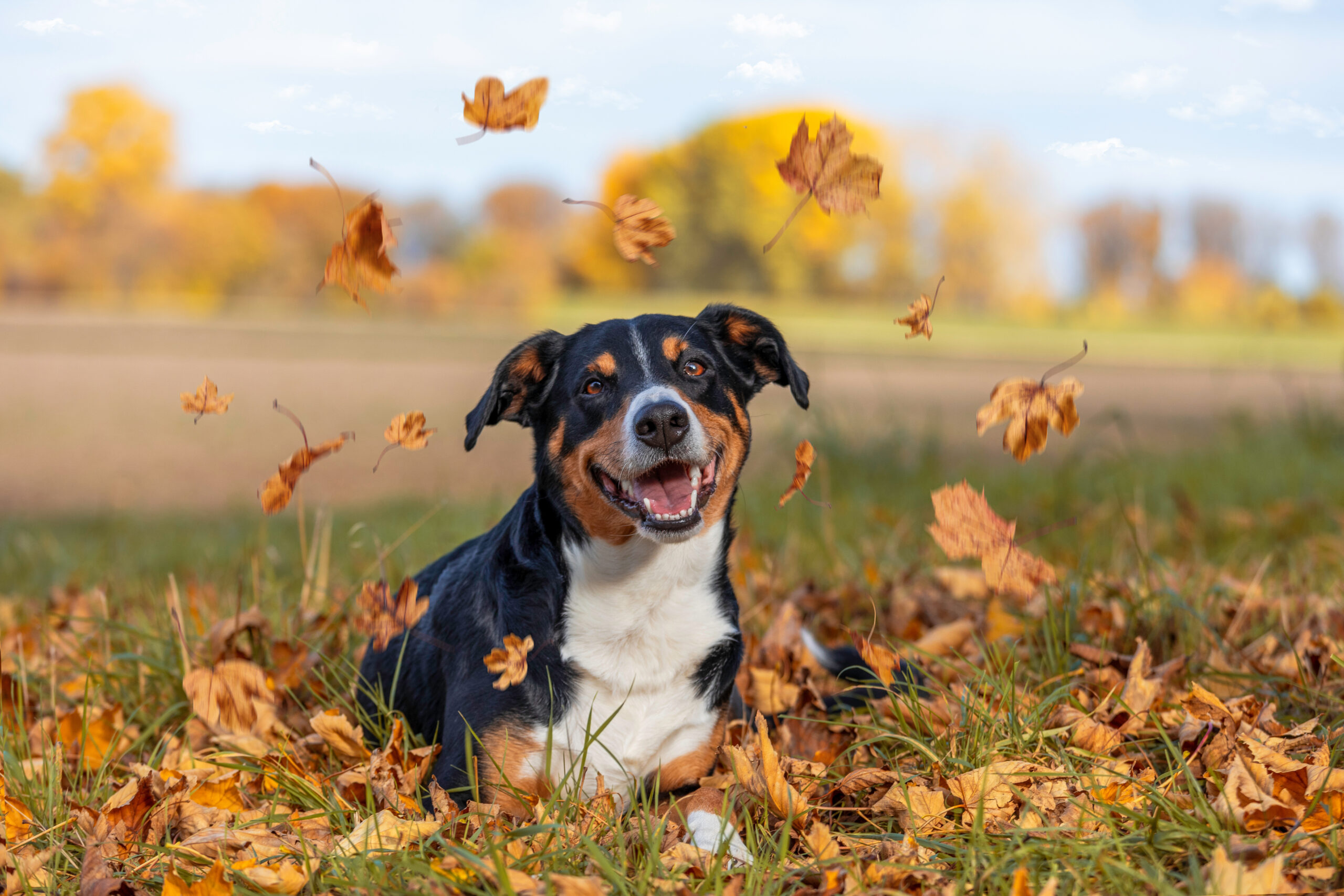
A s the weather starts to cool, attentions turn to school, football season,
and end-of-year holidays. Yard work and home repairs are generally not on to-do lists for October, November, and December. People prefer spring for removing tree limbs or trees, moving brush or burn piles, or completing home repairs. Unfortunately, our instincts to undertake those projects in the spring directly conflict with the life cycles of wildlife. In fact, where wildlife is concerned, late fall and early winter are the best times to do yard work and home repairs.
Trim Shrubs and Trees
Every spring, WildCare receives hundreds of baby birds and squirrels from homeowners and tree-removal companies. Why? When they cut down trees and tree limbs, they find they have destroyed bird and squirrel nests filled with babies. Although wildlife uses trees all year long for shelter, food, and even hibernation during the coldest winter months, spring is a particularly bad time to remove trees and limbs from landscapes.
Eastern fox squirrels, the most common squirrel species in Oklahoma, build nests
in trees with holes or cavities. They also build leaf nests high in larger trees. Eastern fox squirrels generally have two litters each year, with the first litter born any time from February to April. For many birds, March to August is considered prime nesting season. However, some bird species nest and lay eggs even earlier in the year — eastern bluebirds start to nest in mid-February.
To prevent destruction or interruption of nesting season, late fall and winter (November through January) are typically the best time to remove or prune trees because those months are not during the breeding season for most wildlife species. However, it’s always a good idea to monitor the tree or shrub before cutting branches to make sure no animals are roosting or hibernating in crevices or cavities or among the leaves and soil at its base. Fall and winter are also the time when most trees are dormant, which makes it a good time to prune to prevent damage to the tree.


of their favorites. They most commonly catch insects, which need native plants to survive and thrive. Fall is the best time to plan native trees, shrubs, flowers, and grasses.
Leave Snags in Your Landscape
The instinct of many property owners is to remove any dying or dead trees. Any tree that poses a safety risk to humans, pets, livestock, or property should be removed, but those that are not a risk can provide important food, shelter, and nesting resources for an abundance of wildlife. Dying or already dead trees in your landscape are called snags — even though the wood is dead, the trees support a lot of life.
Snags have hollow spaces for cavity-nesting woodpeckers and owls, eastern bluebirds, tufted titmice, Carolina chickadees, Bewick’s wrens, wood ducks, eastern fox squirrels, and northern raccoons. Because insects live in the dead or dying trees throughout the year, they provide abundant food for nuthatches, flickers, bats, reptiles, and amphibians. Snags even provide food in the winter for animals that are not hibernating or bromating (a process similar to hibernation for reptiles and amphibians). Snags provide food storage for squirrels and roosting and perching areas for many bird species.
If a snag must be removed, late fall is the best time of year to avoid disrupting squirrel nests (squirrels have a second litter in late summer) or interrupting the overwintering or hibernation spots of many wild animals.
Handle Brush Piles
Brush piles provide important habitat for many wild animals, offering protection from predators and harsh weather conditions. They also provide overwintering spots for butterflies, bats, and other small animals. Insects in the decomposing wood provide important food for songbirds, especially in colder months when food is scarce. In the spring, brush piles offer nesting sites for birds, mammals such as cottontails and small rodents, and reptiles.
Although WildCare recommends keeping as many brush piles intact as possible because of the rich resources they provide, homeowners often want to remove them to improve the aesthetics of their properties.
Homeowners often burn the piles in the spring, which invariably leads to animals being brought to WildCare for help with burn injuries or because they have been orphaned. Common admissions from the moving or burning of brush piles include eastern cottontails, hispid cotton rats, and eastern wood rats. Instead of burning brush piles in the spring, remove them in early fall before animals set up residence in them for winter or build nest sites in the spring.
Leave the Leaves
The fall brings many people outdoors for the ritual of raking leaves that have fallen from deciduous trees. People can save time and benefit wildlife by leaving a layer of leaves. Leaf litter provides important wildlife habitat, cover, and food for many wild animals, including turtles, bats, birds, and toads. Many butterflies and moths overwinter in fallen leaves, emerging in the spring. Leaves also benefit your yard by acting as a natural mulch to enrich your soil and prevent weeds from emerging in the spring.
So raking leaves is one fall activity people can skip!
Plant Native Plants
Every year, more than 200 Mississippi kites are brought to WildCare for help — nestlings that have fallen from treetop nests, fledglings attacked by cats or dogs while learning to fly, and adults that have been injured flying into windows or hit by cars. Mississippi kites travel from central South America each spring to hatch and rear their young in Oklahoma. They are among the hundreds of species that migrate through or to Oklahoma during spring and fall migration seasons.
Mississippi kites specifically rely on insects to survive and feed their young, with cicadas being one of their favorites. Although they will also eat small reptiles, amphibians, rodents, and birds, they are seen most commonly catching insects. Property owners can support Mississippi kites and other migratory birds that soon will make their long fall journeys by turning their properties into native wildlife habitats.
Insects, reptiles, rodents, birds, and countless other wildlife depend on the resources provided by native grasses, plants, shrubs, and trees. Those native flora are adapted to extreme temperatures and drought, so they require less water and upkeep. Fall is the perfect time to add perennial native plants to your garden and to plant shrubs and trees. Fall planting gives roots time to grow and establish before the next growing season and the inevitable heat that summer brings in Oklahoma.
Complete Home Repairs
Throughout the spring and summer, WildCare receives hundreds of calls from people who want to trap and relocate animals that have built nests in their attics and eaves or under porches and sheds. Animals nest in these places because there are holes, gaps, or weaknesses that make entry easy, and those places are attractive because they are warm, dark, quiet, and provide protection from predators and other threats. Fall and winter are the time to undertake repairs so animals cannot make their way into or under places where they are unwanted. Waiting until spring or summer means animals are likely already using those places to bear and raise their young. Trapping the adult animals means orphaning the babies. And trapping and relocating animals is often detrimental to their survival. Repairing access points to homes, garages, sheds, or other places also eliminates the time and expense required to move them. Planning your home repairs and fall yard cleanup with nature in mind requires less work, prevents harm and displacement to wildlife, and ultimately helps local wildlife survive and thrive.

people trap and relocate their mothers who have often built
dens under porches or sheds. This is preventable if people fill
gaps under porches or sheds in the fall.