The Remarkable Journey of the Mississippi Kite
by Inger Giuffrida, Executive Director, WildCare Oklahoma
Spring is heralded in Oklahoma with the distinctive sight of Mississippi kites soaring above the treetops and the “pew pew” sound of their call. These long-distance migrants travel from central South America to Oklahoma, following the emergence of insects, their primary source of nutrition.
Mississippi kites are medium-sized hawks belonging to the Accipitridae family, which includes species commonly seen throughout Oklahoma such as red-tailed hawks, red-shouldered hawks, Cooper’s hawks and northern harriers. They are similar in shape to a peregrine falcon, but are closer in size to an American crow, weighing 7 to 14 ounces. They are 11 to 15 inches tall with a wingspan of up to 3 feet. They are too small to hunt and carry off anything besides small snakes, frogs, rodents and birds, although grasshoppers, beetles, dragonflies, flying ants, wasps and cicadas are their favorites. They are natural pest control, often preying on species considered nuisances by agricultural producers. Cats, dogs and even chickens are too large for Mississippi kites to hunt.
During spring migration, Mississippi kites travel to the southern United States, with nest sites spanning from California to Florida and the highest concentration in Louisiana, Texas and Oklahoma. In recent years, they have expanded northward, with nesting sites reported in Nebraska, Indiana and even New England.
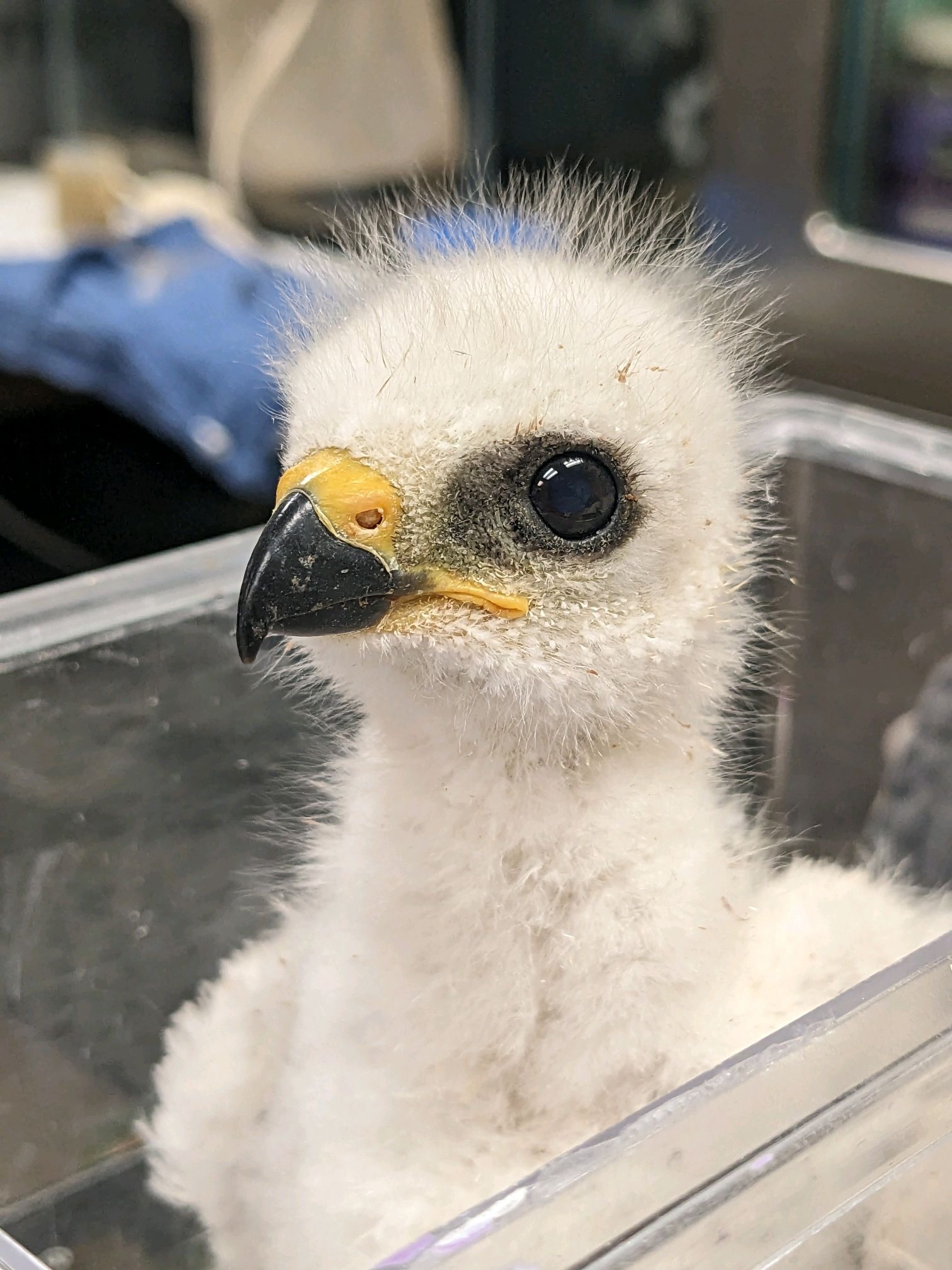
They form monogamous pair bonds with both the male and female jointly building the nest, incubating the eggs and rearing the young, often returning each year to the same nesting site. They lay one to three eggs, which take about a month to hatch. As nestlings, the young are covered in white down. Parents continually feed their rapidly growing babies regurgitated insects.
In addition to their aerial acrobatics and distinctive call while flying, it is their nest protecting behavior for which they are most known. Any perceived threat to the nest or their young incurs their wrath, which includes diving or swooping at the threat. This can be a dog, a child playing in a yard or someone out for an evening stroll.
Mississippi kites are often misunderstood and seen as a threat because they are devoted, protective parents. This swooping or diving behavior is brief, defensive and intended to drive threats away from their offspring rather than injure people or pets. Most incidents occur because their nests are near sidewalks, parks and yards. They rarely make physical contact, and the behavior lasts only a couple of weeks.
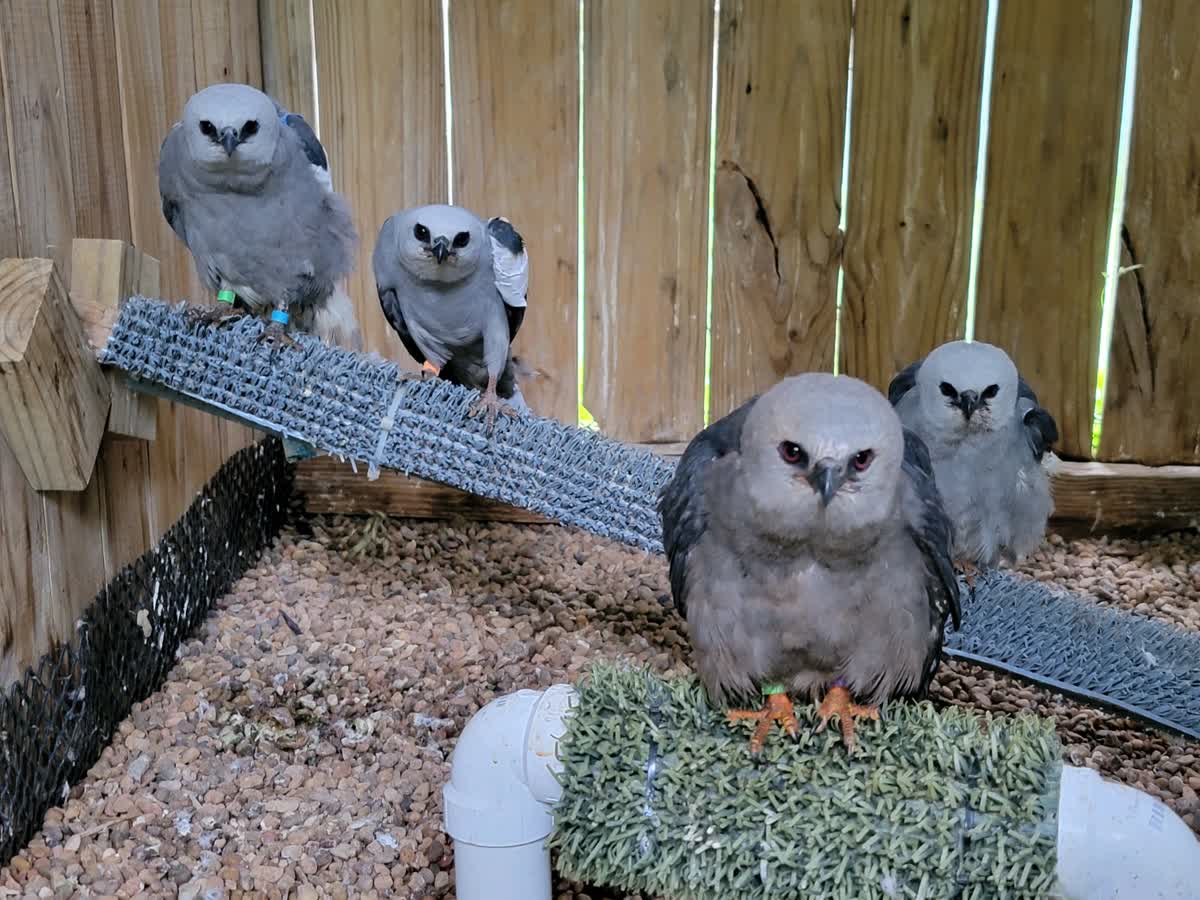
While they are dedicated mates and fiercely protective parents, they are not great nest builders. The shallow nests of Mississippi kites, made of sticks and twigs, can cause nestlings and juveniles to fall during strong Oklahoma winds. WildCare Oklahoma receives hundreds of calls from people throughout the state with downed Mississippi kites. WildCare coaches people through the process of renesting or deploys its raptor renesting team when people are unable to renest the babies due to the height or condition of the nest. Despite these efforts, the wildlife rehabilitation and conservation education center located in Noble, Oklahoma, admits nearly 400 Mississippi kites each year from across the state.
Oklahoma is prime nesting habitat for these remarkable raptors. They prefer open woodlands, neighborhoods with mature trees, parks and riparian corridors. They nest near humans because it provides protection from predators and food sources are plentiful.
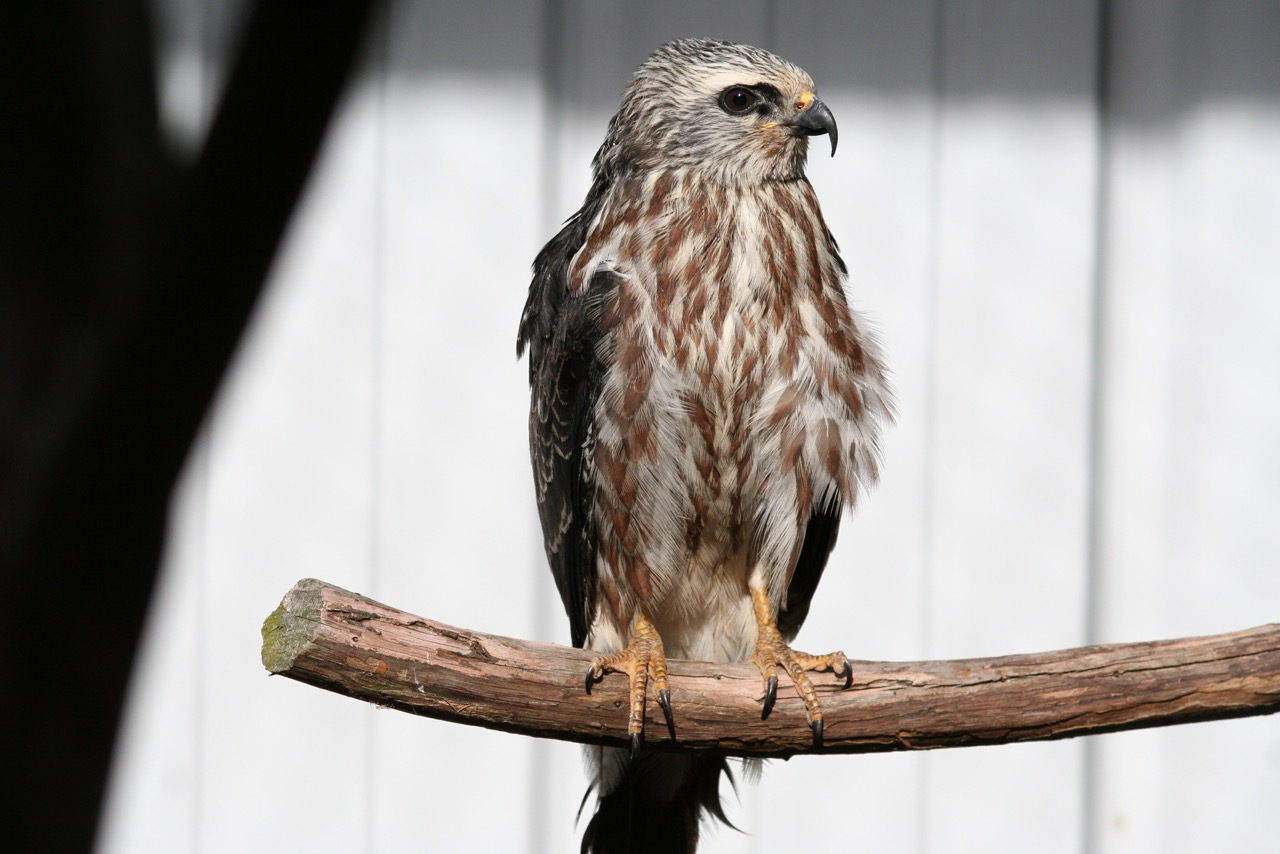
Thirty to 35 days after hatching, they are ready to leave the nest. By this time, they have transformed from fluffy white chicks to small, brown-and-white-streaked raptors with mottled brown and white chests, a banded tail and brown eyes. They are distinctly different from their parents, who are sleek, graceful raptors with soft silver-gray plumage, darker charcoal wings and striking red eyes.
Fledging is the stage when birds have developed their flight feathers and can take flight. It is also a dangerous time, as most birds spend time on the ground learning to fly. During this period, both parents vigilantly watch over and feed their young while encouraging them to fly. They are under tremendous pressure to get their babies flying and hunting, so they are ready for their arduous journey back to South America during the first few weeks of September.
By the middle of August, Mississippi kite families start to join with others to form larger flocks for the migration journey. These flocks sometimes include other raptor species and even turkey vultures and can contain thousands of birds.
The migration journey during both spring and fall is filled with hazards, including exhaustion from flying long distances, extreme weather such as hurricanes and unseasonal temperature fluctuations, habitat destruction along migration routes, lack of food due to pesticide use, and collisions with power lines, windows and vehicles.
With all these hazards, there are still many steps Oklahomans can take to help Mississippi kites and all migratory birds:
- Avoid cutting down or trimming trees during nest season, and schedule tree work for the fall.
- Keep cats indoors. Domestic cats are estimated to kill over one billion birds each year in the United States.
- Eliminate or reduce pesticide use. Pesticides are indiscriminate. People may want to kill mosquitoes, but these poisons kill bees, butterflies and insects that Mississippi kites and hundreds of other bird species rely on for nutrition and for rearing their young.
- Apply feather-friendly tape or tempera paint to the exterior of windows to prevent window strikes. Windows can reflect foliage and look like continued air space for birds flying at high speeds, and these methods help birds see windows and avoid collisions.
- Observe nests from a respectful distance and coexist with Mississippi kites while they are protecting their nests.
- Contact a licensed wildlife rehabilitator if an orphaned or injured kite is found.
To look up on a summer evening and watch Mississippi kites soaring effortlessly overhead is to witness one of nature’s great migrations unfolding above Oklahoma neighborhoods, parks and city streets. Their presence is both a privilege and a reminder that even in rapidly changing human spaces, wildlife like Mississippi kites still find a way to thrive when given the chance.